Text
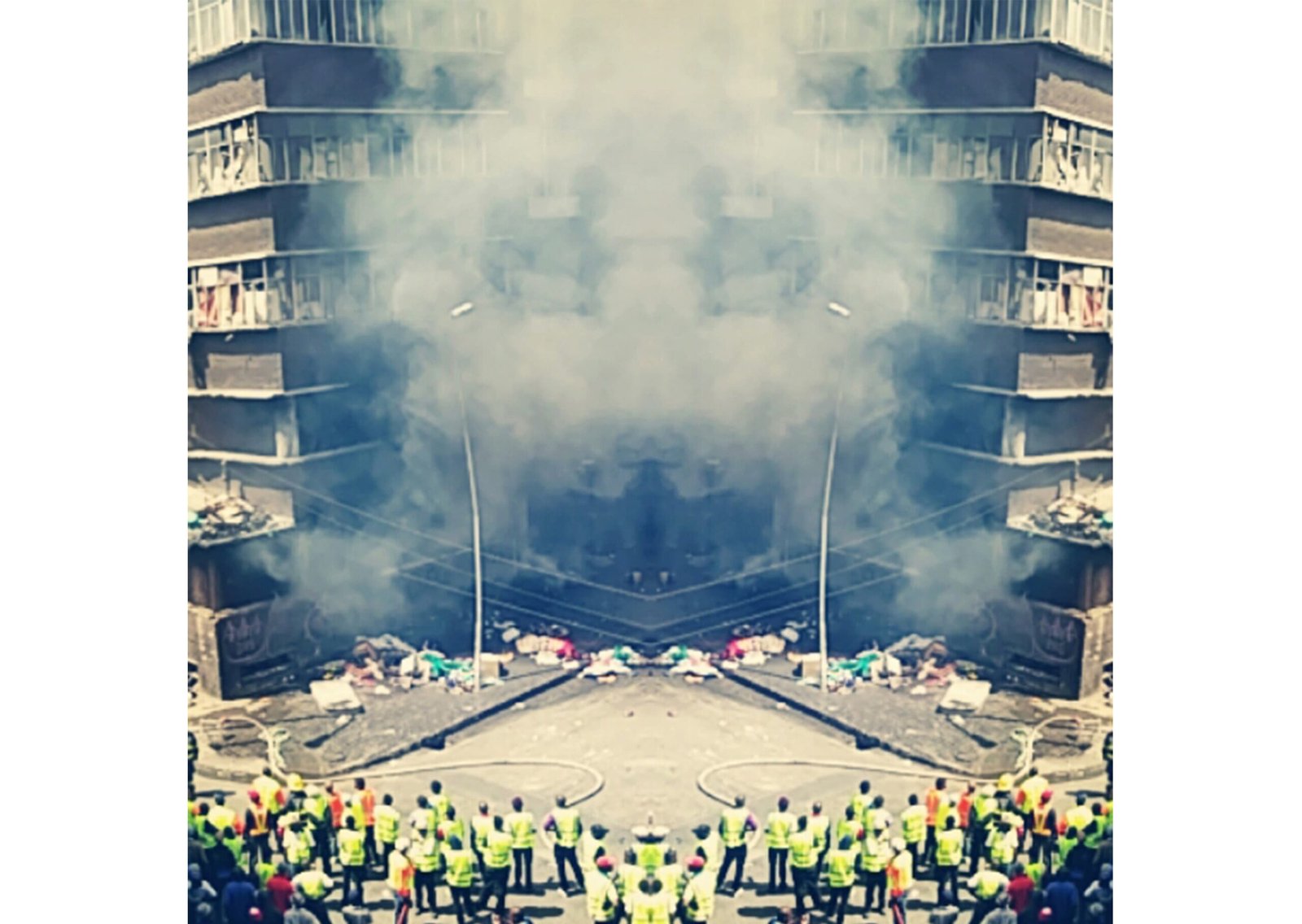
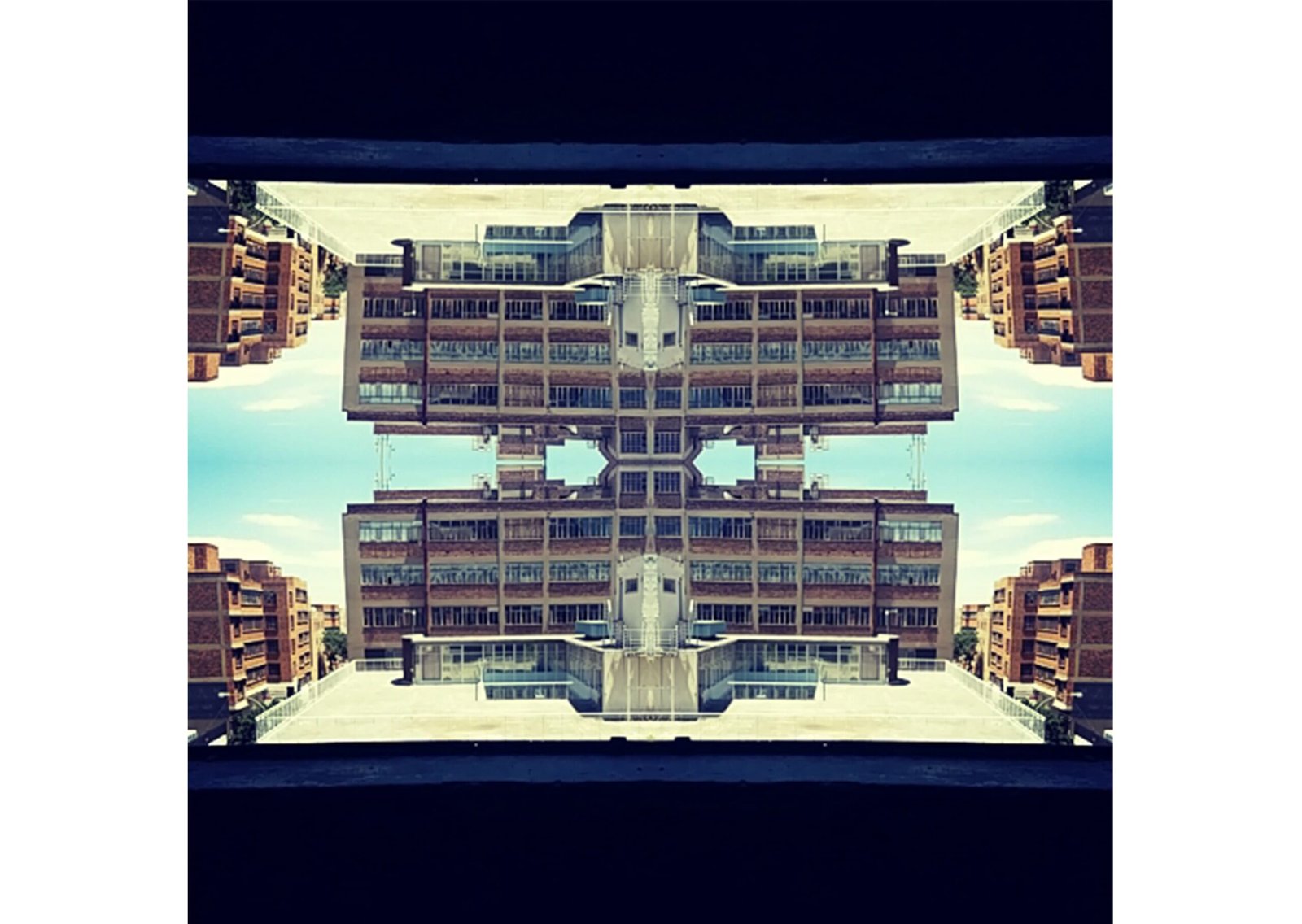
Post Apartment is a project that deals with inner-city Johannesburg’s hijacked buildings and the social and historical implications of these buildings.
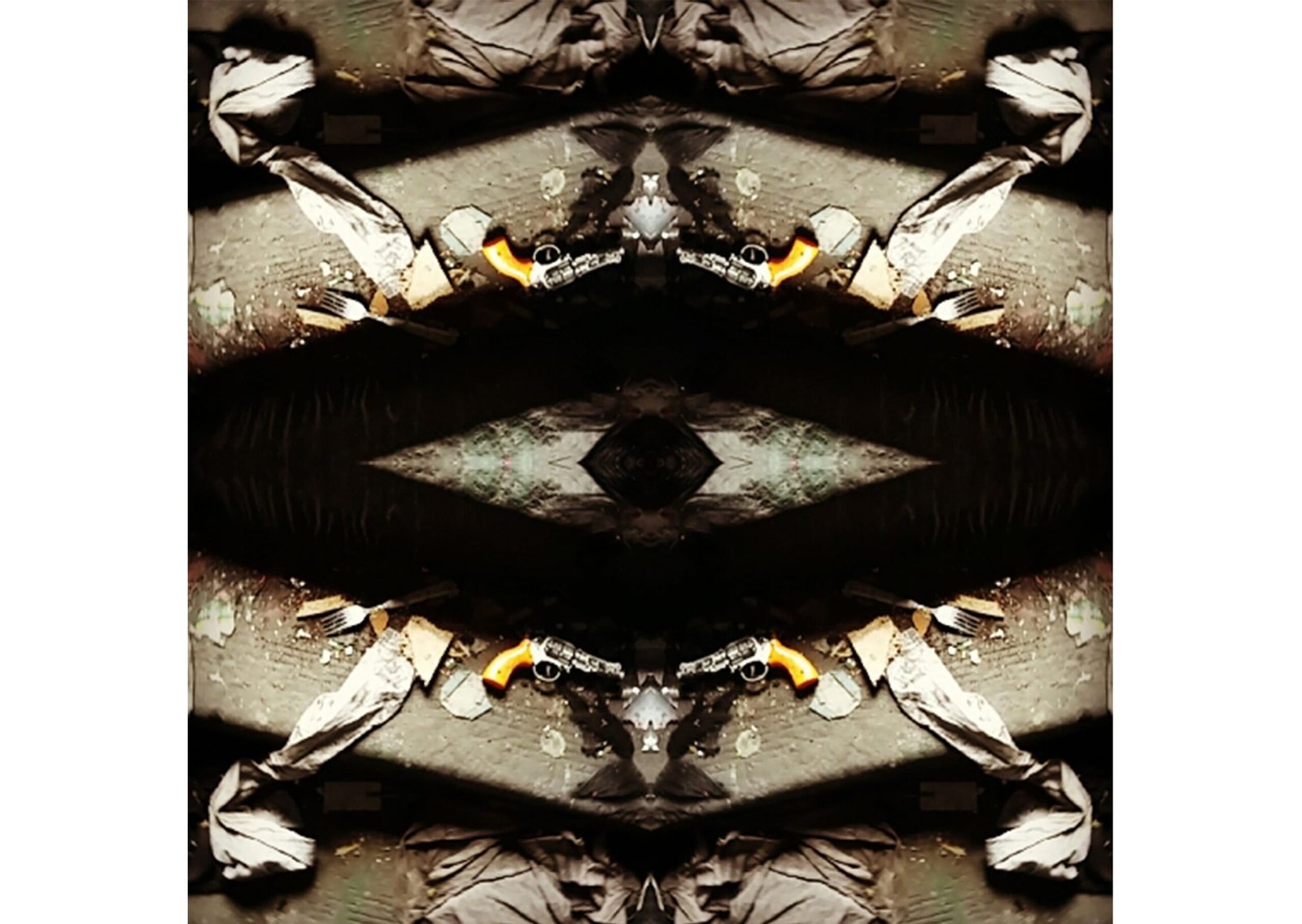
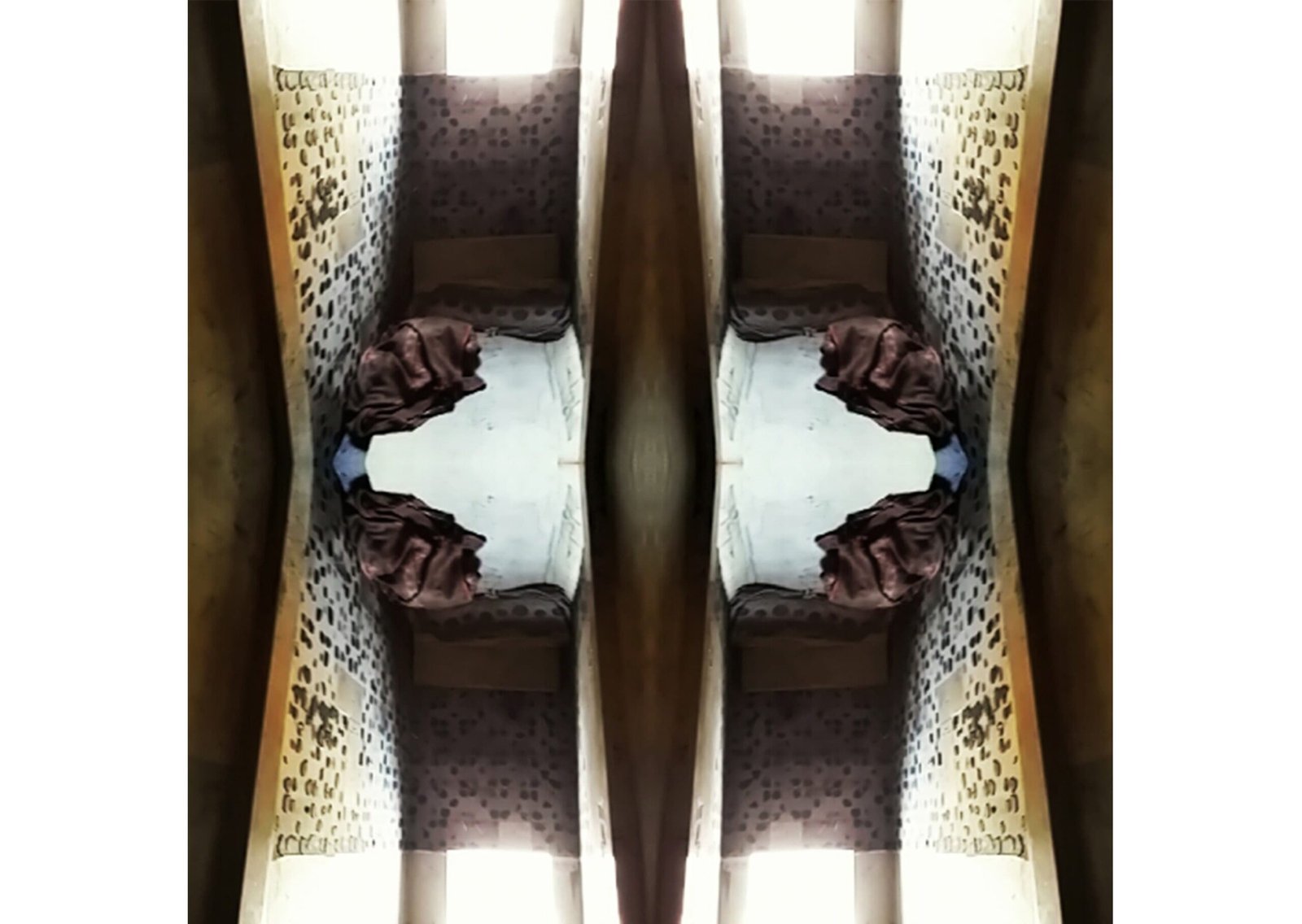
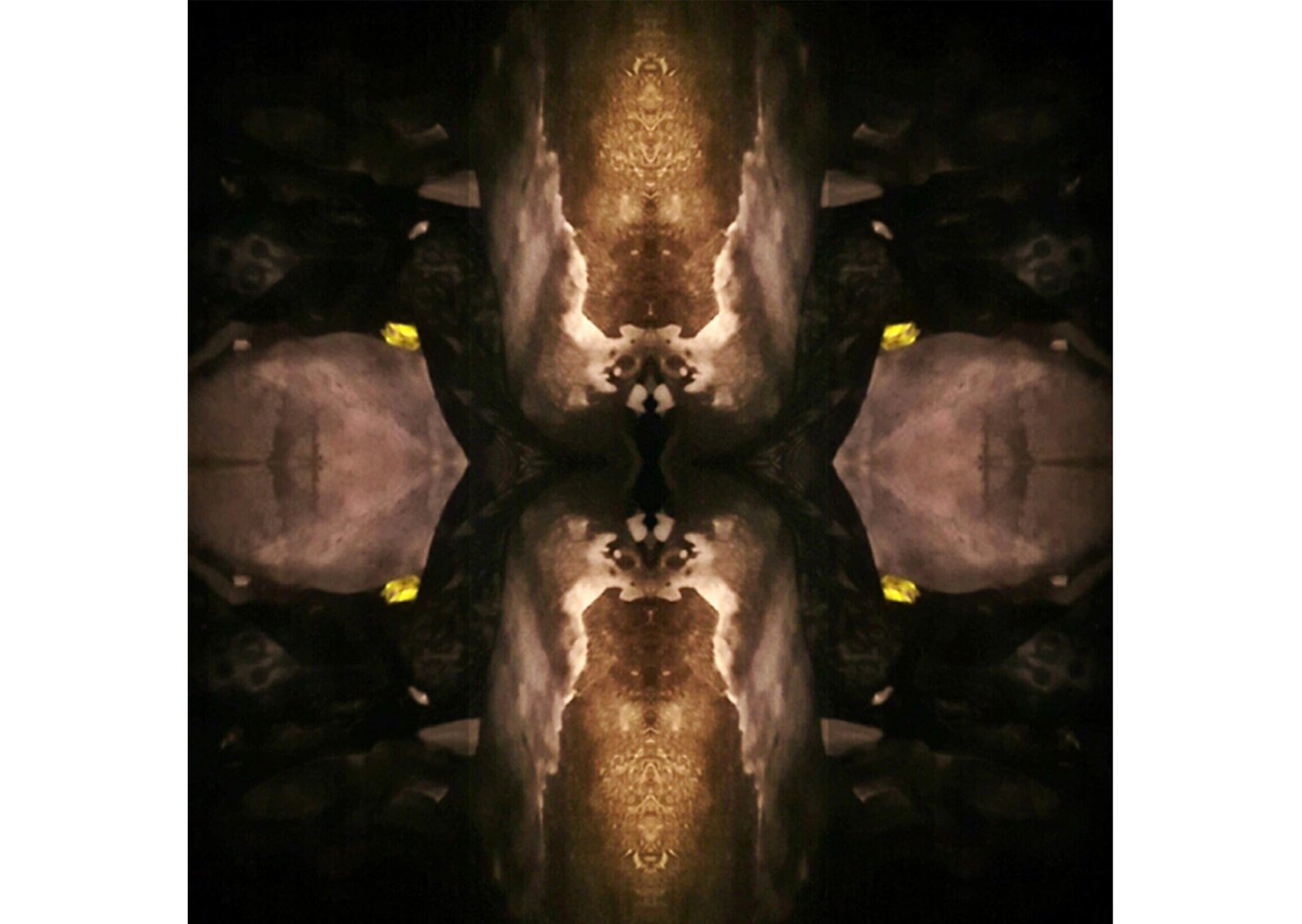
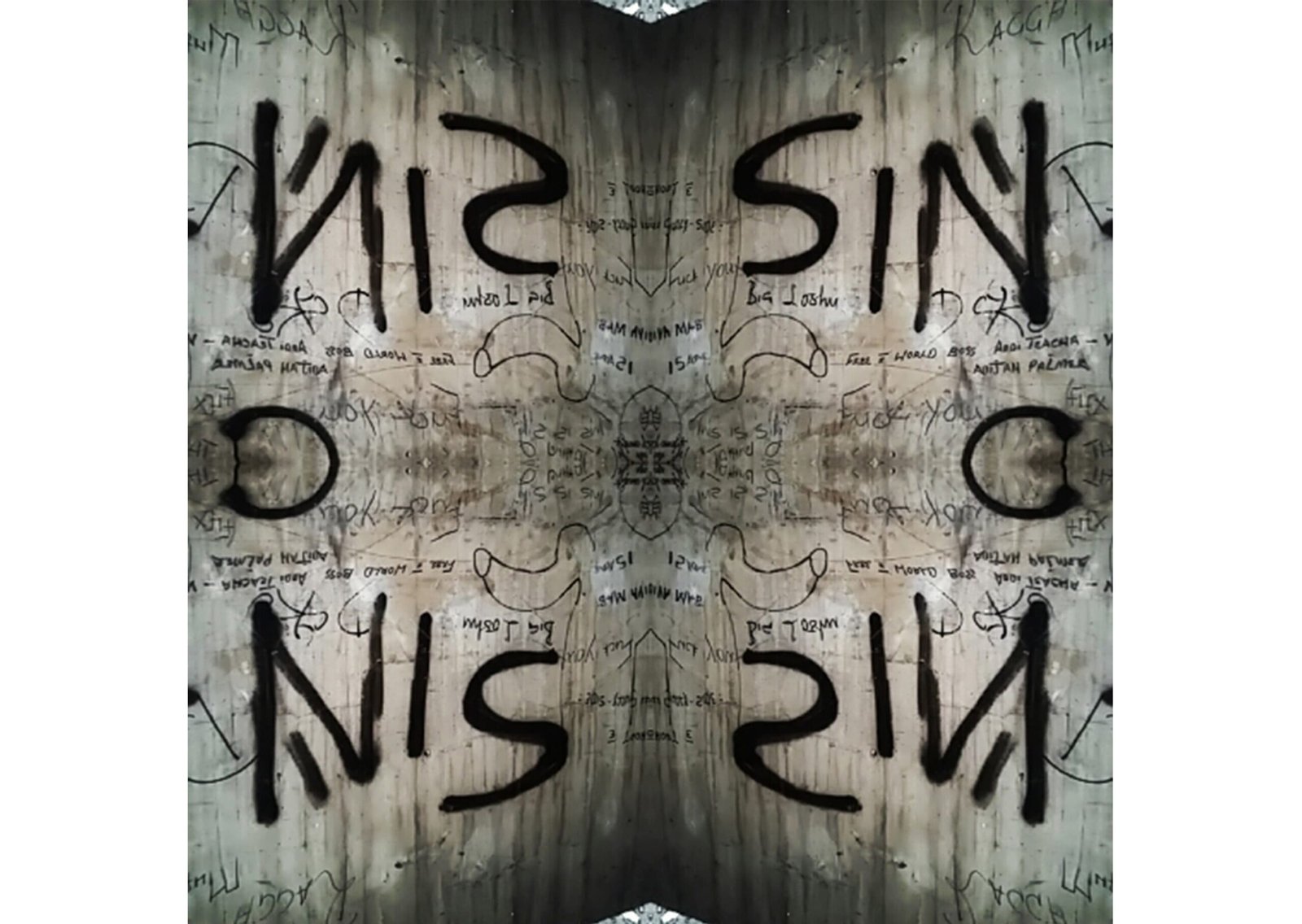
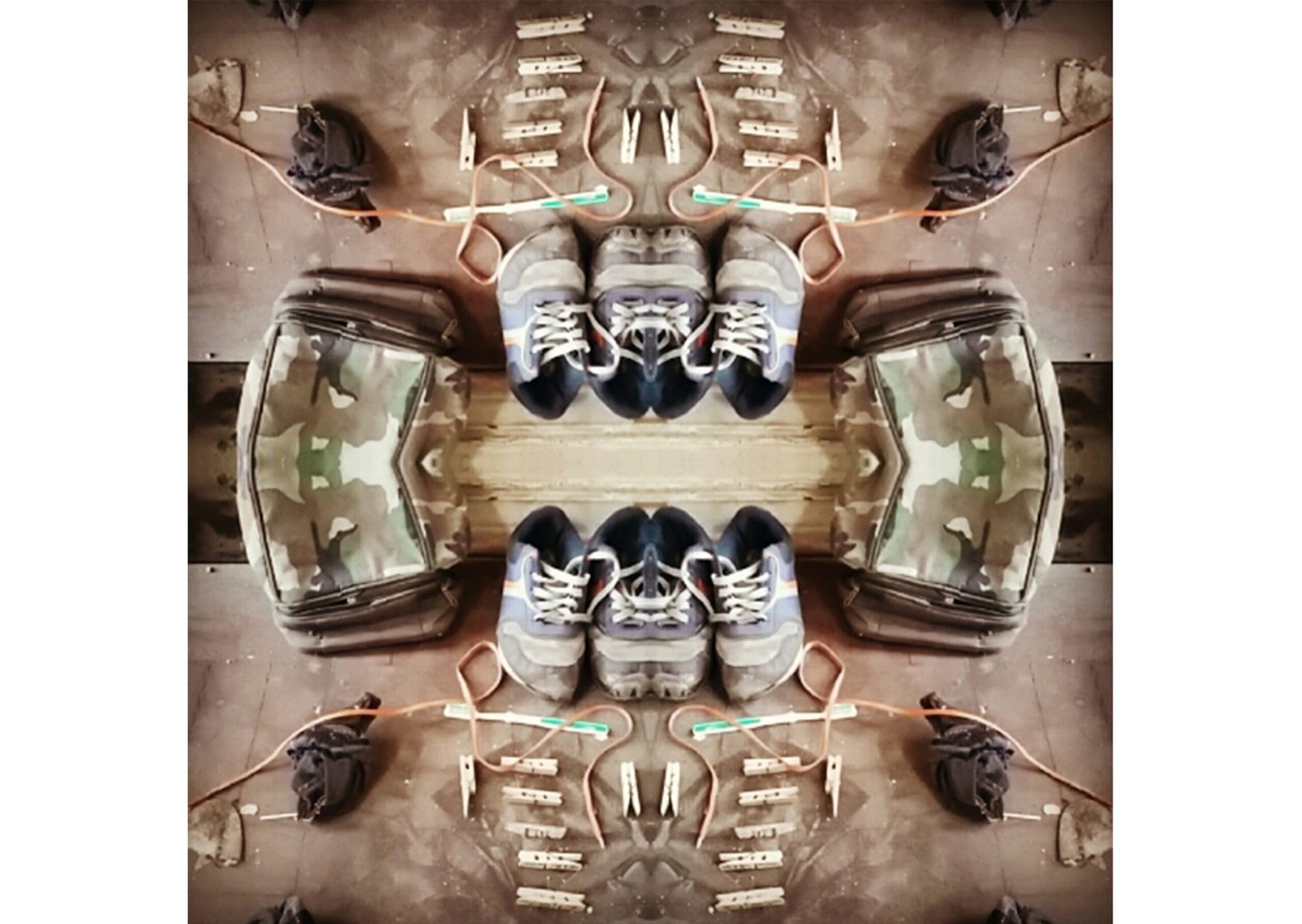
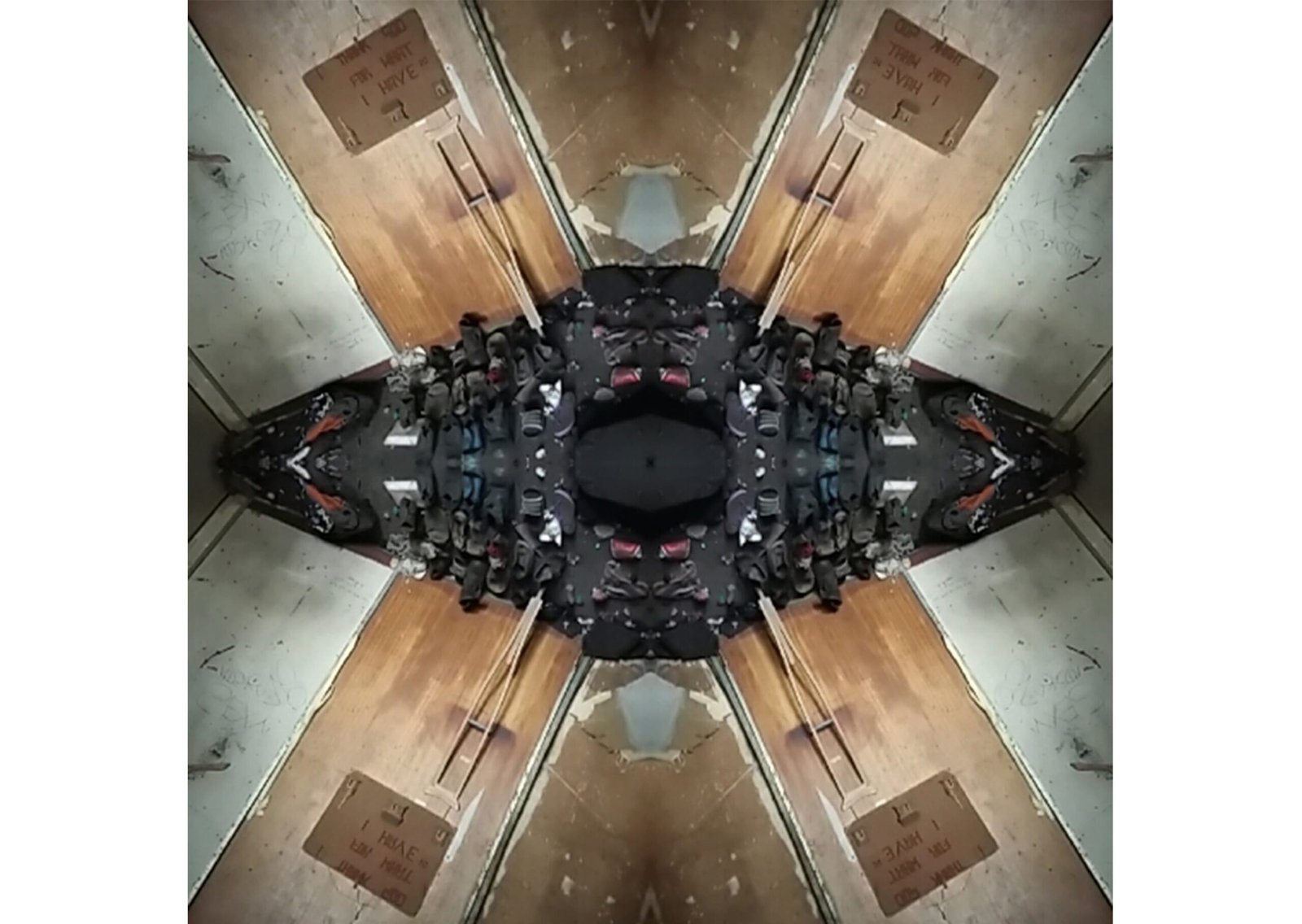
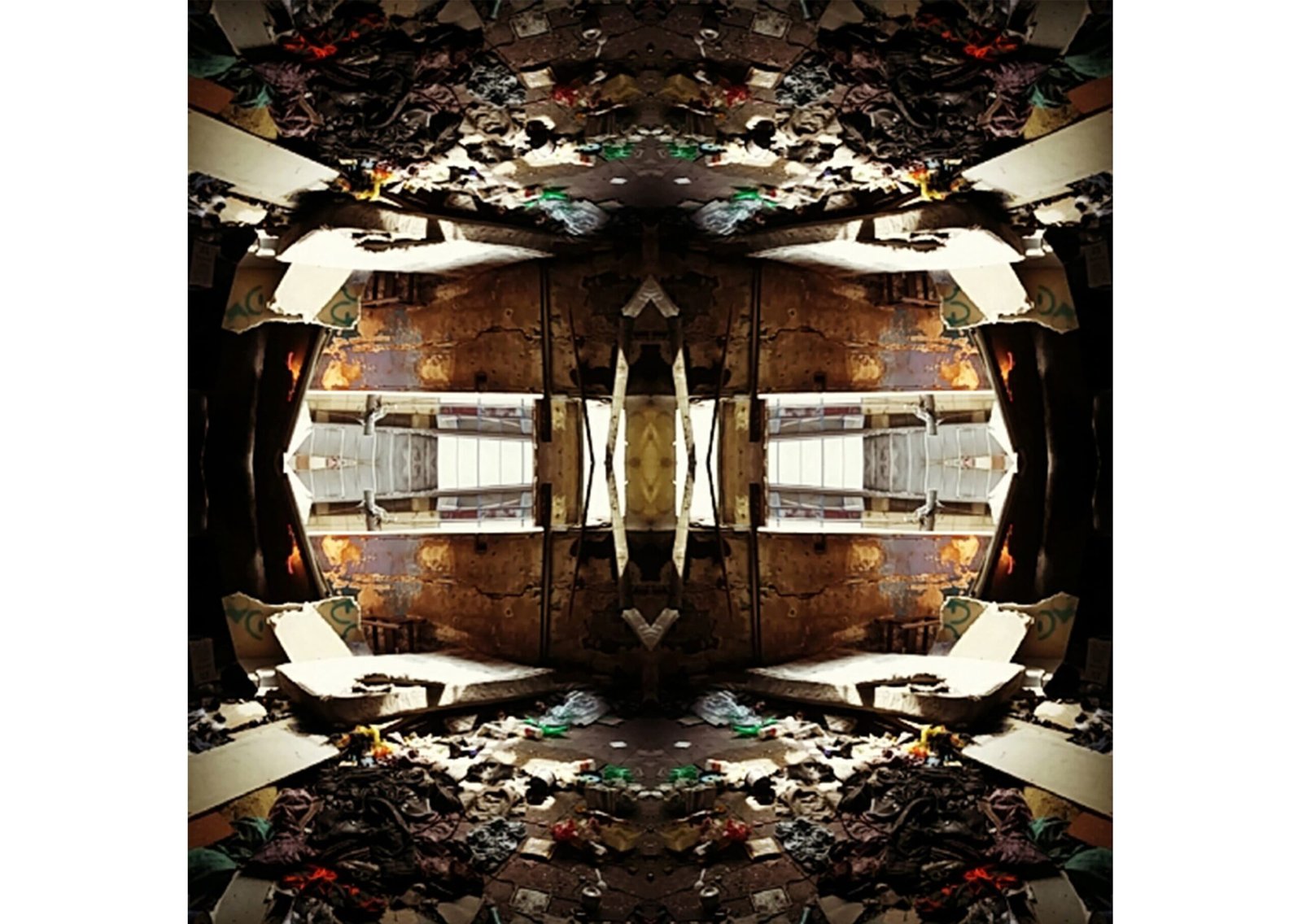
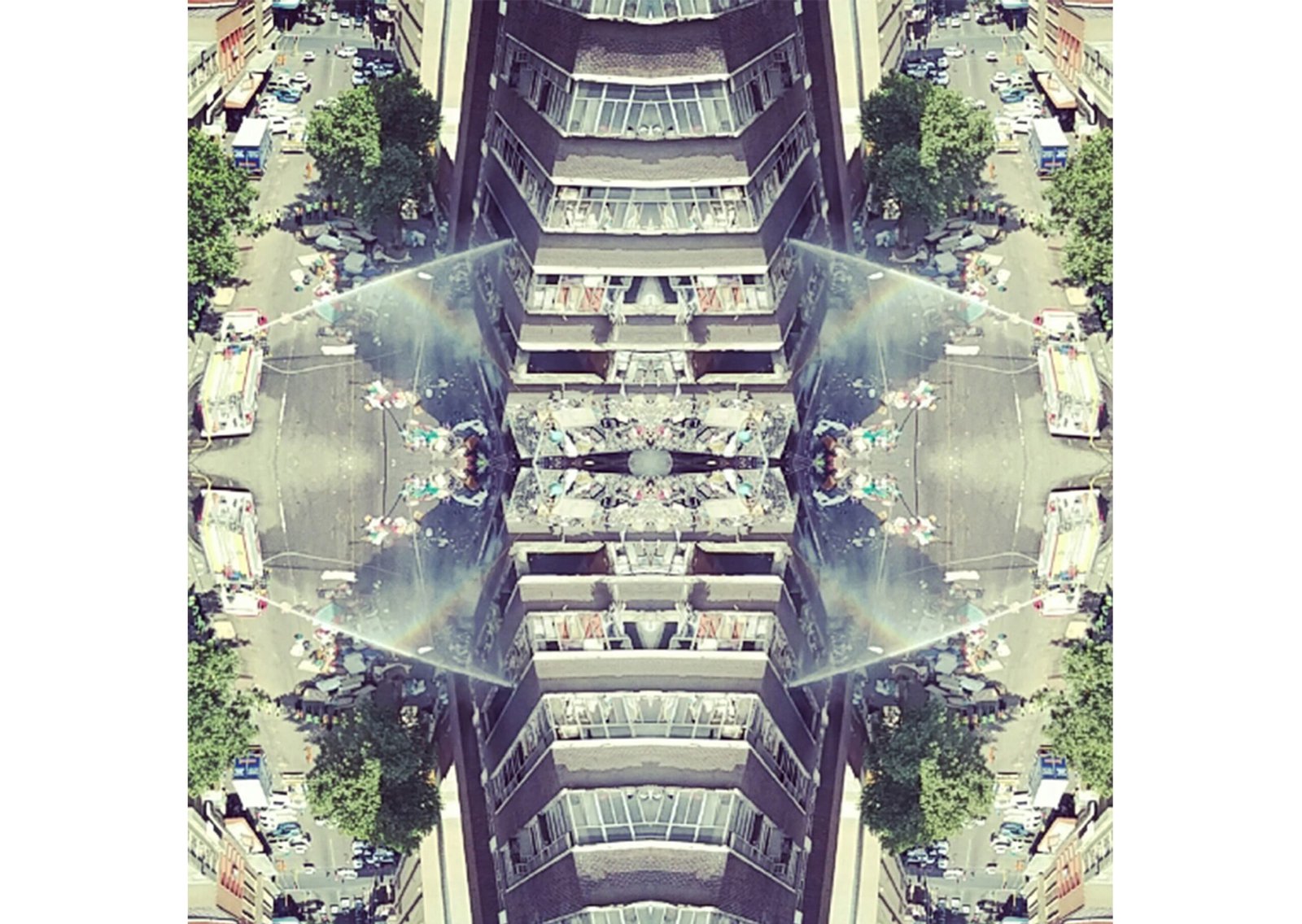
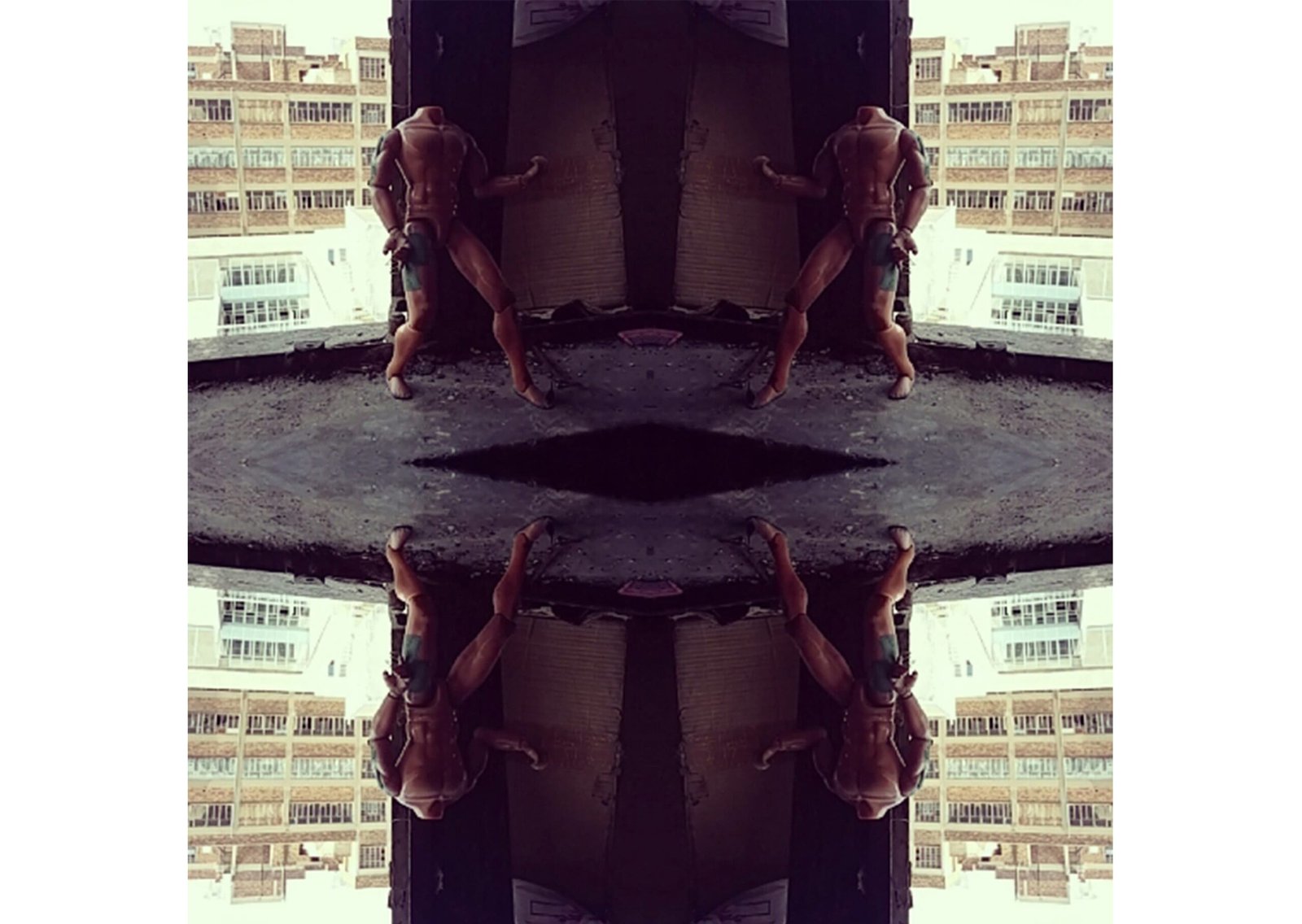
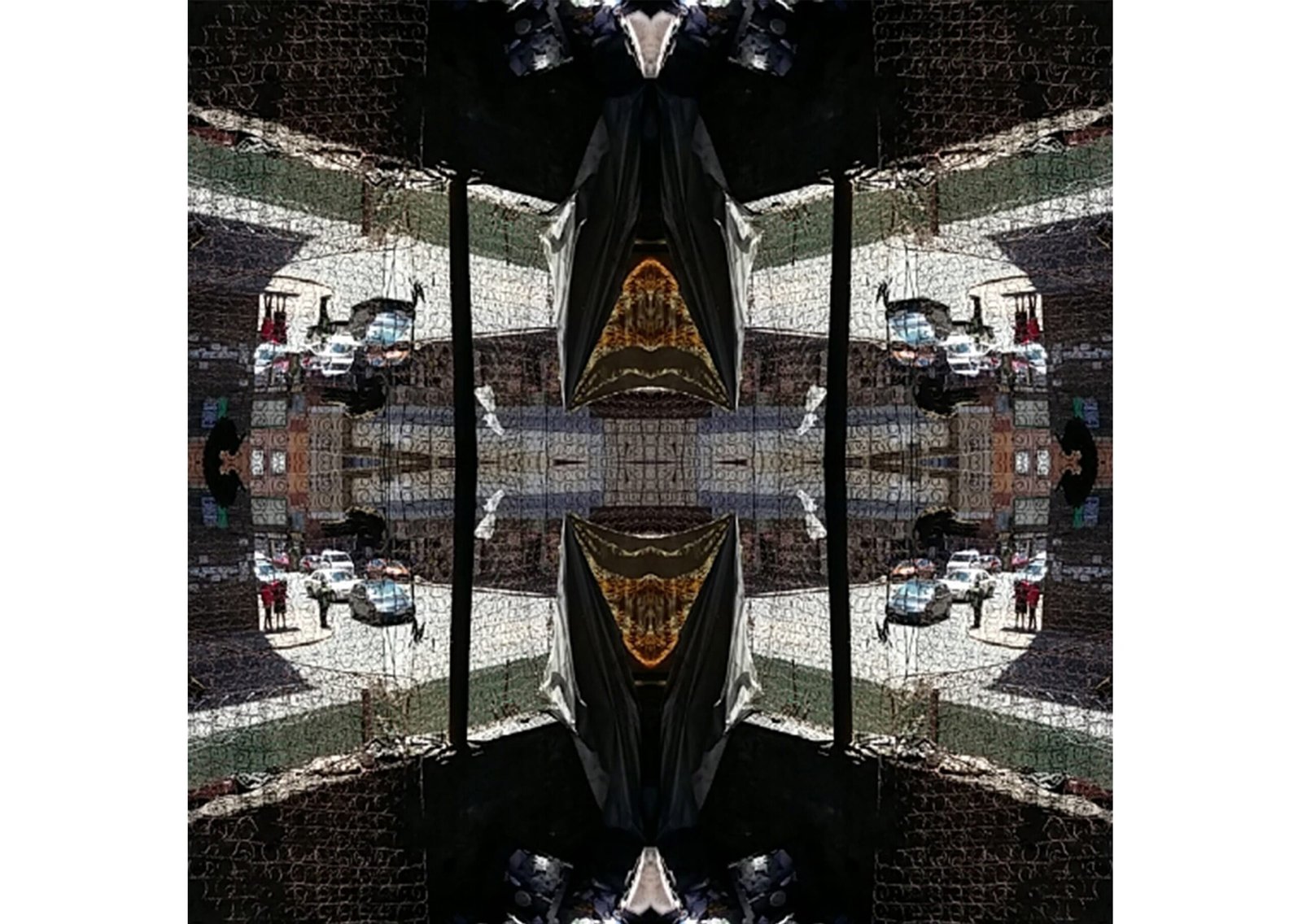
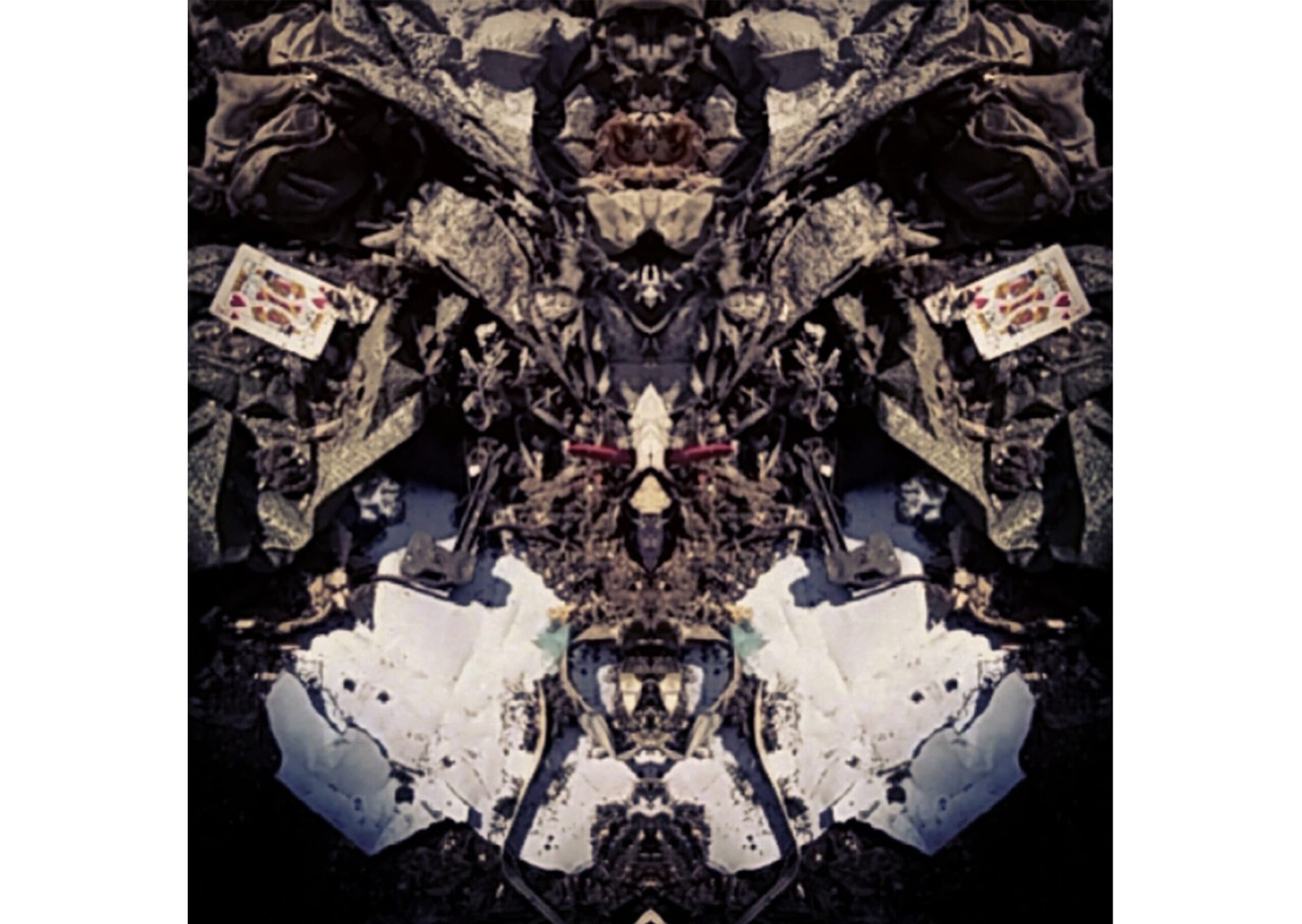
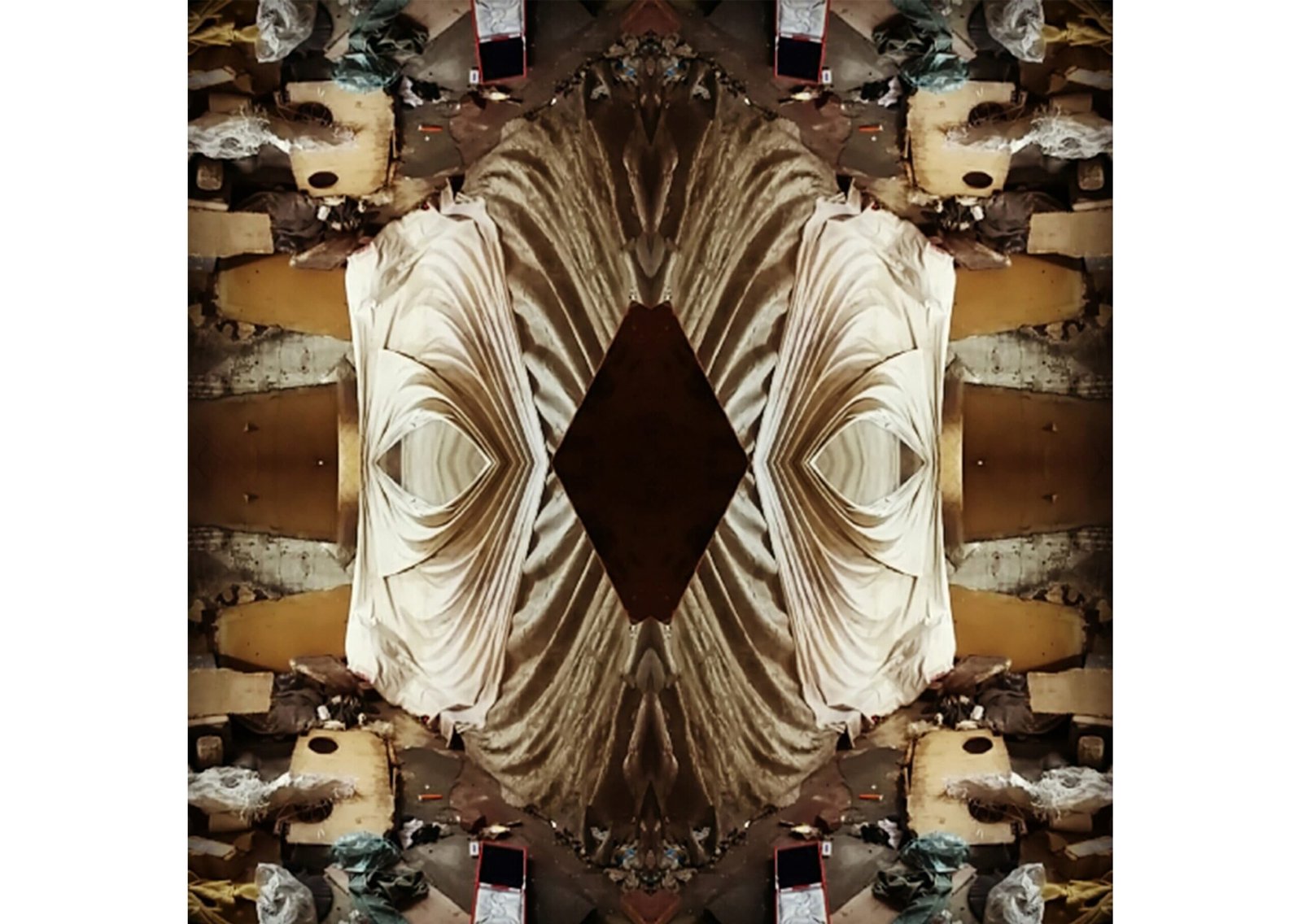
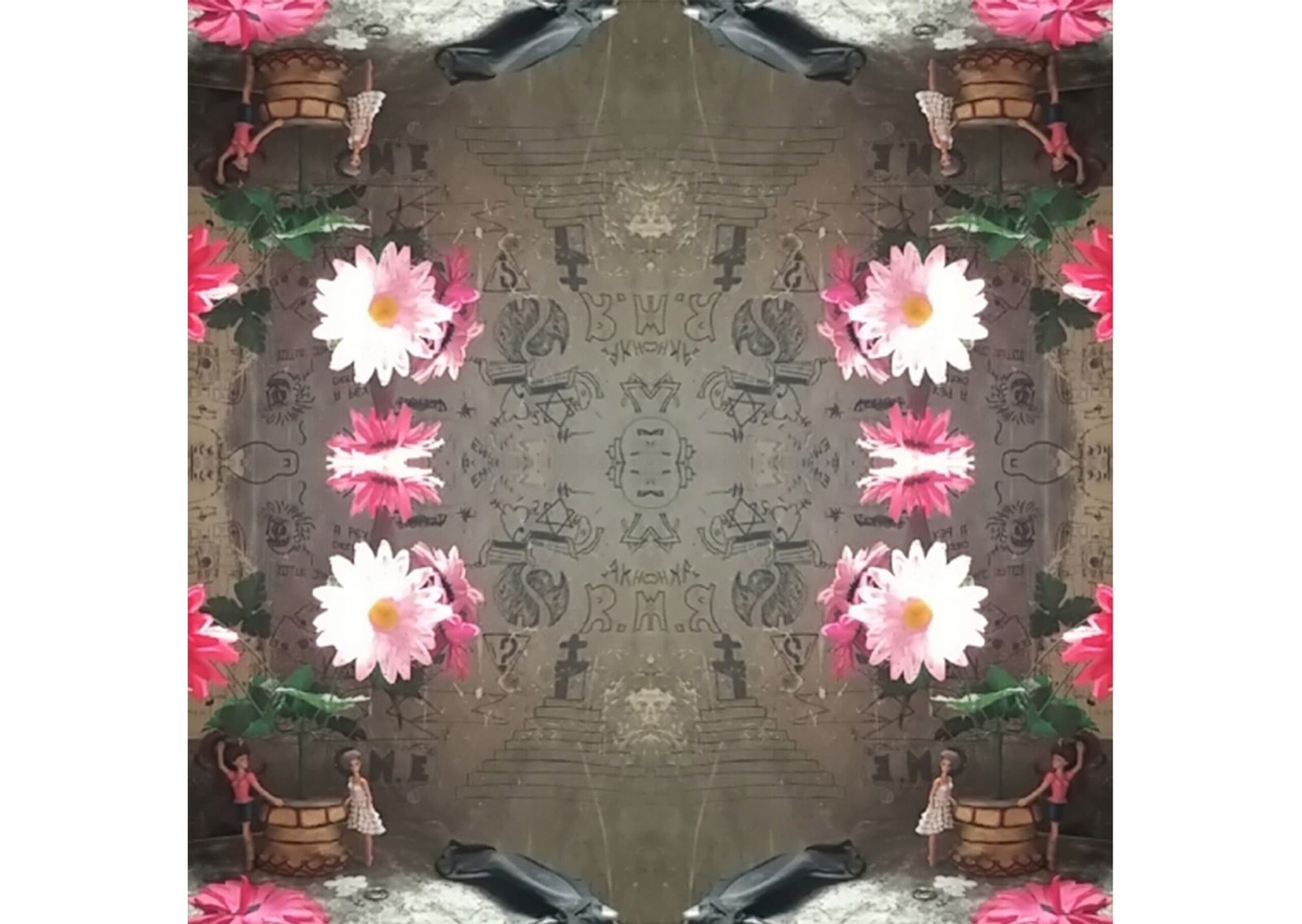
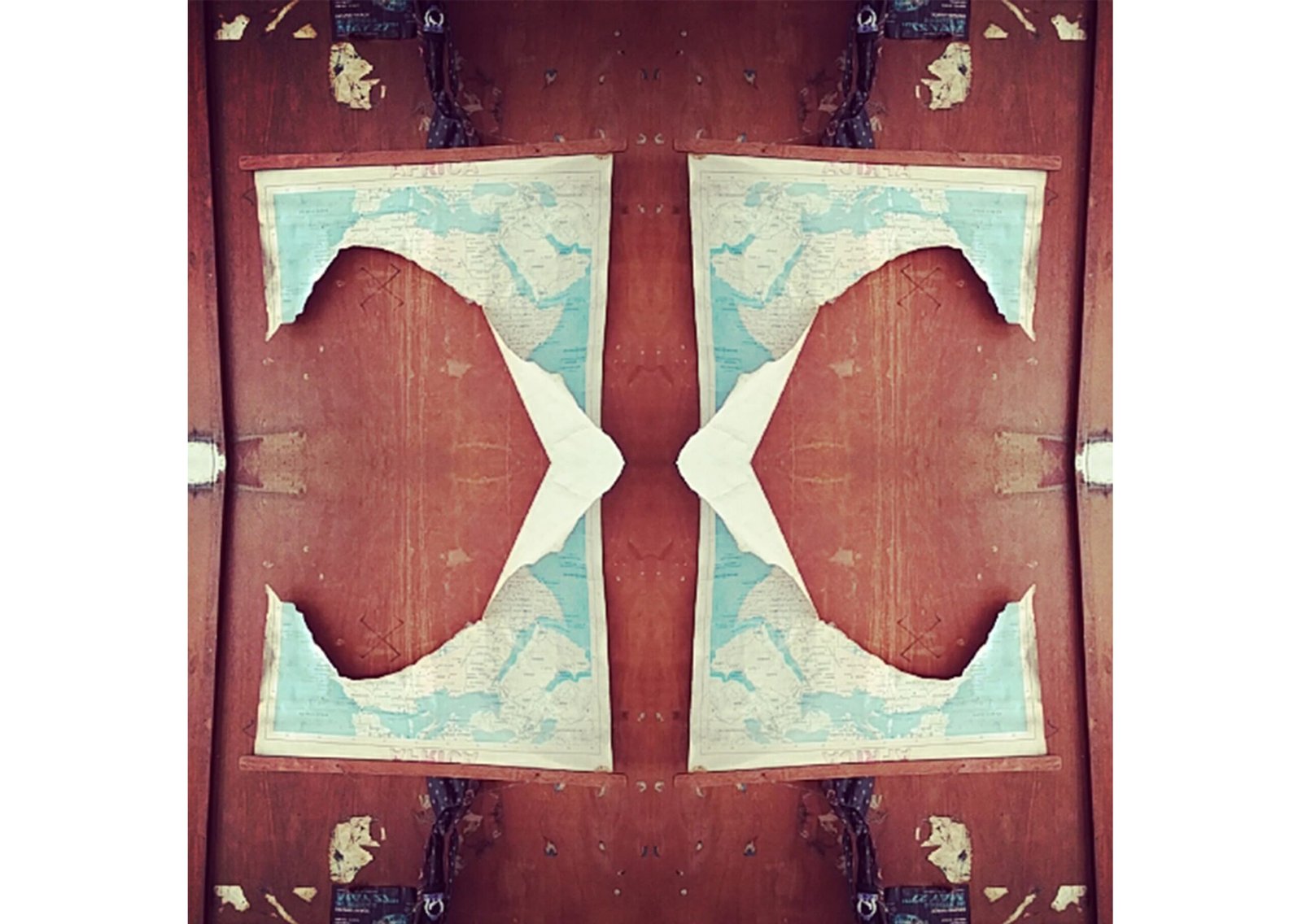
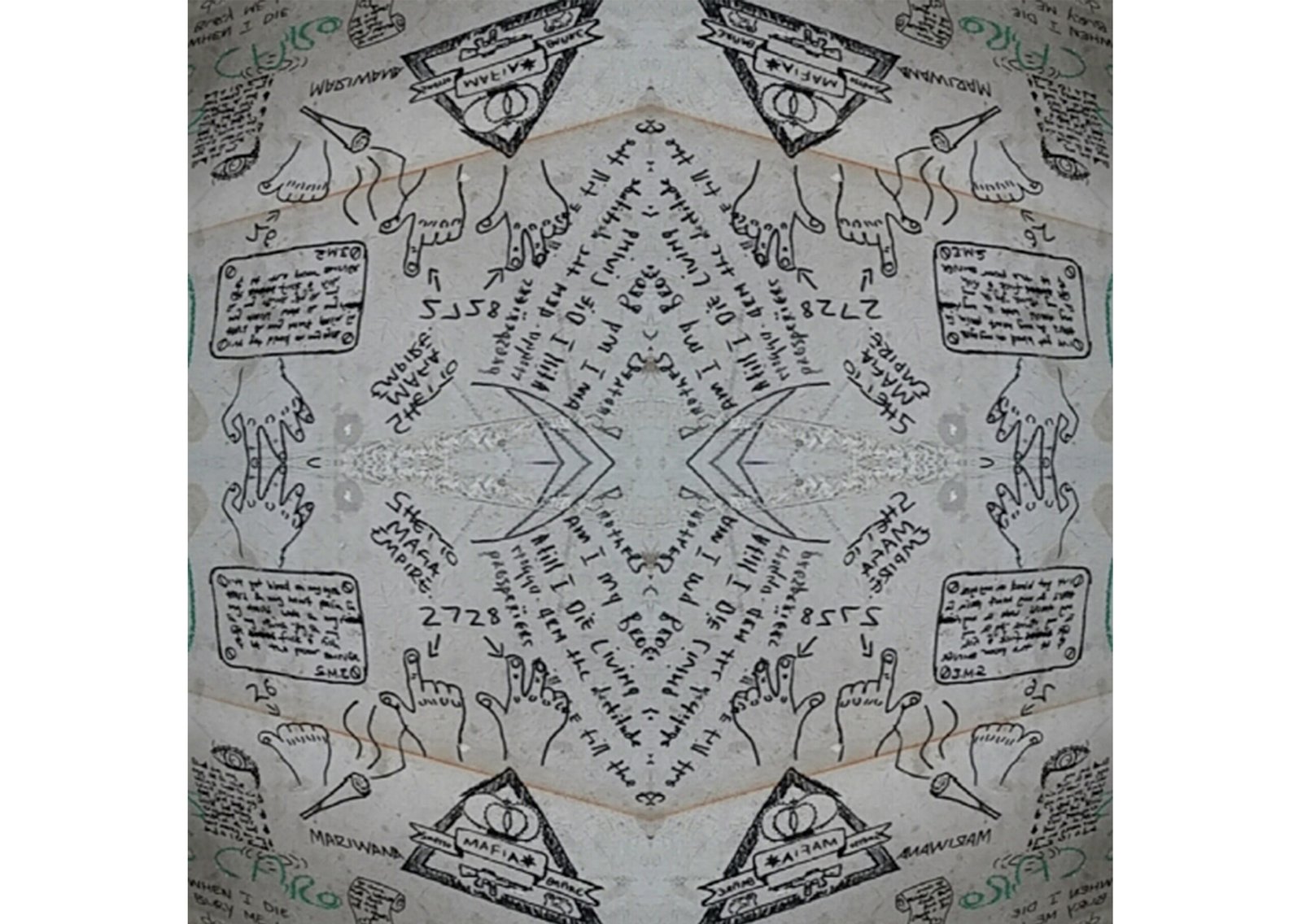
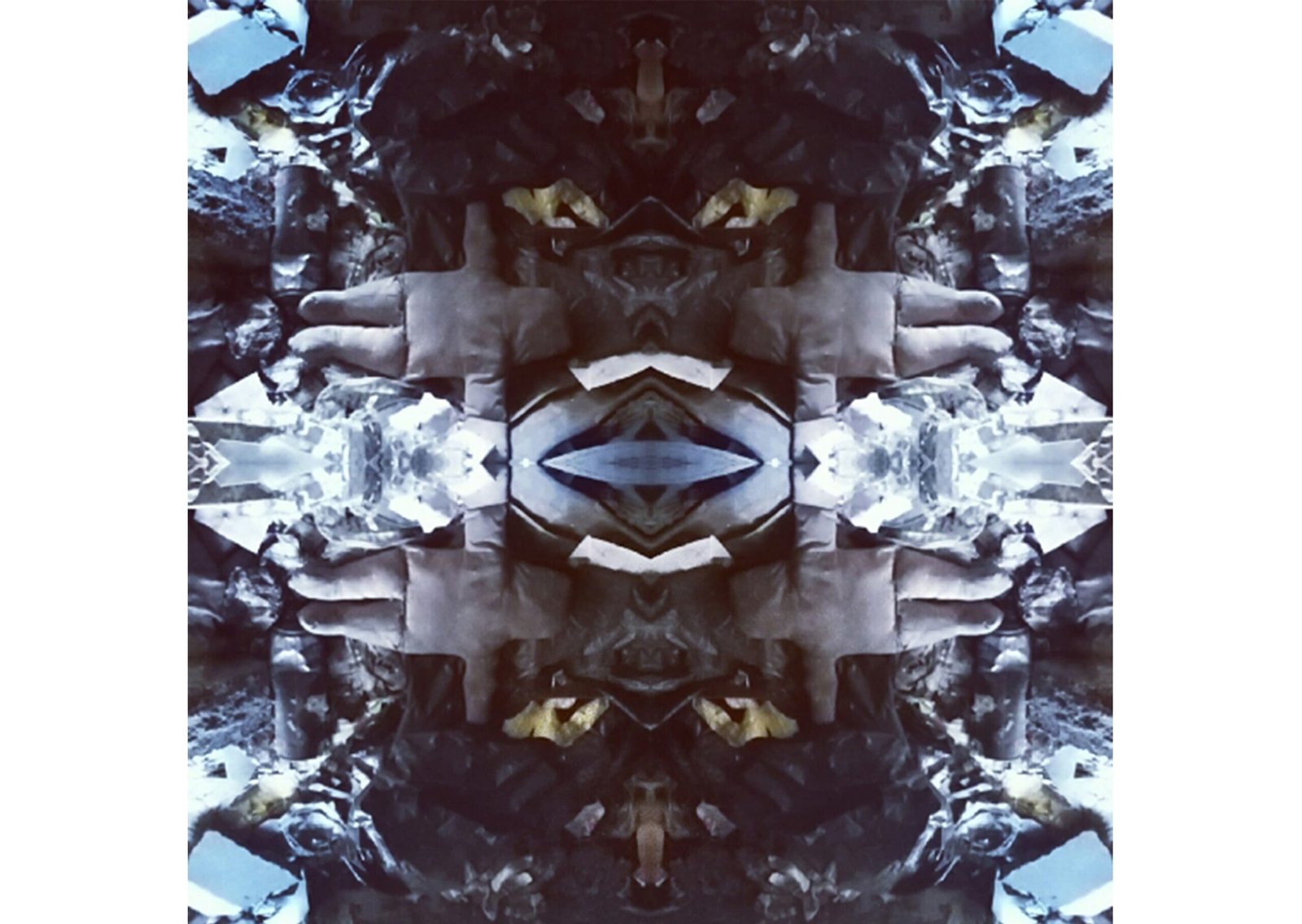
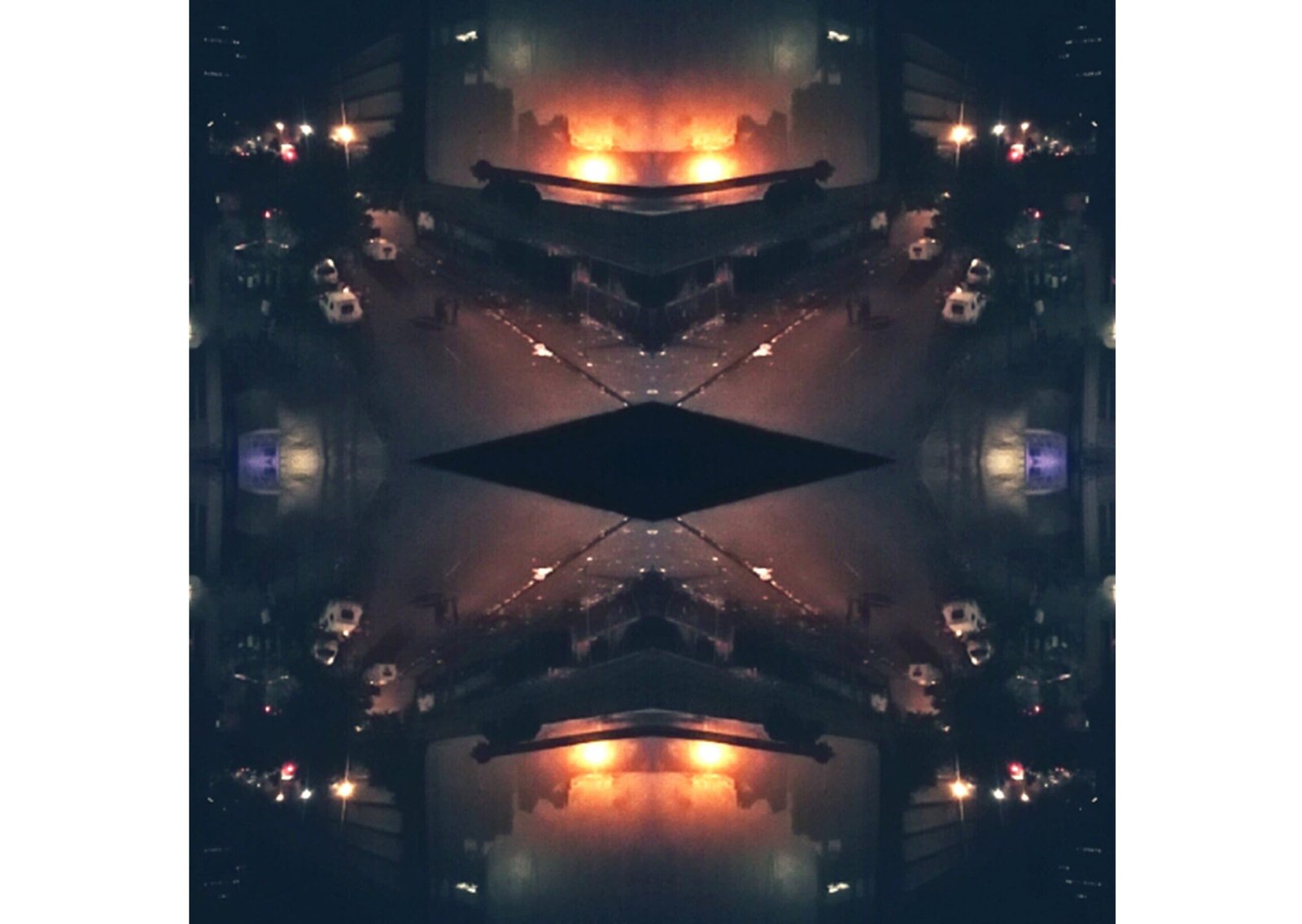
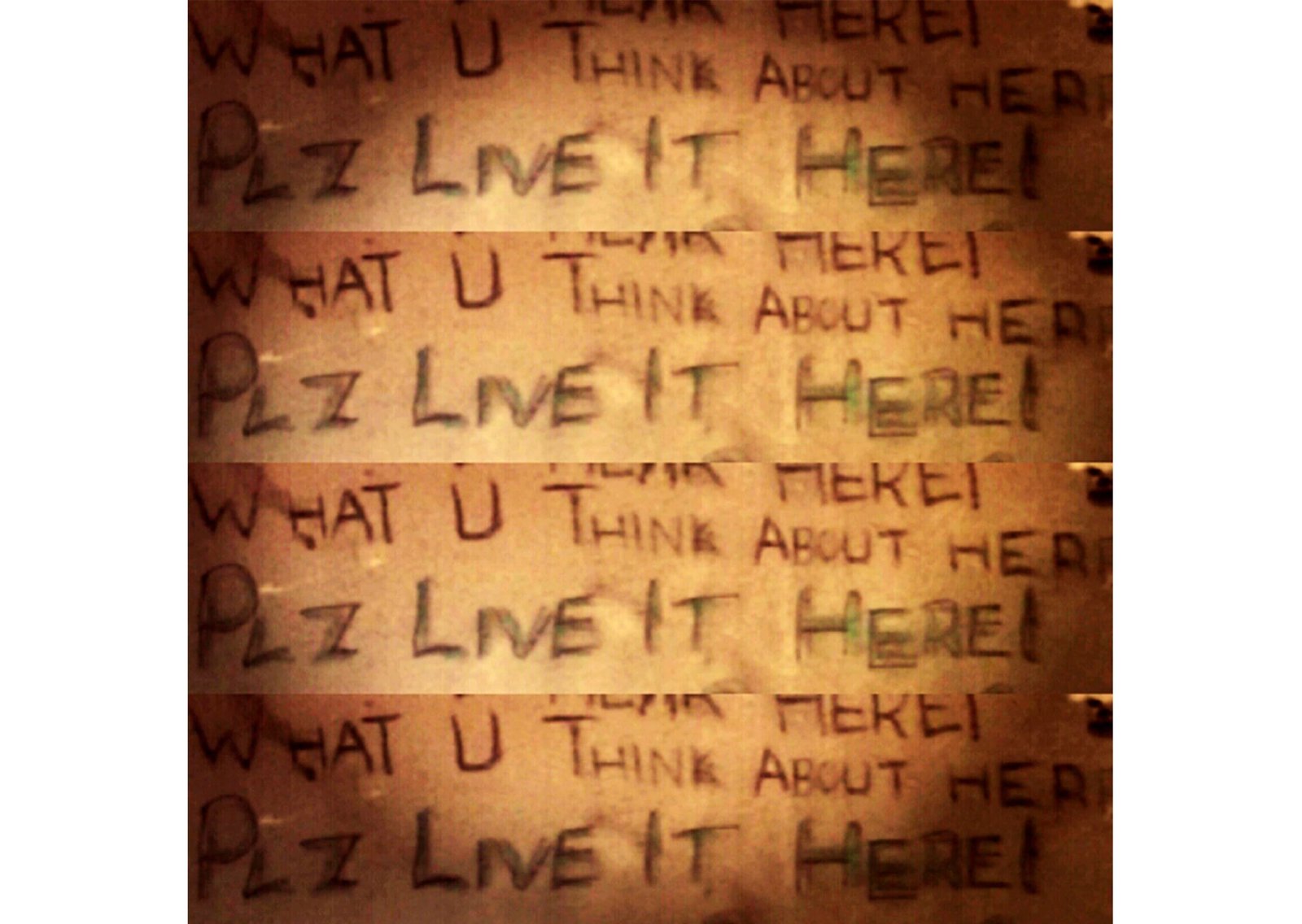
The project derived from the artist’s documentation of a hijacked building opposite to his studio in August house. The documentation was done through a cellphone app called “mirror-photo” as this app will slice the image in half or in quarter and duplicate the images accordingly to fill the screen. This produced an effect that allowed the buildings to personify themselves and create mouths or eyes that were able to observe and communicate their structural qualities.
Maintaining a mobile medium was central to this body of work, inspired directly by the site itself: a building synonymous with criminality especially with street-level robberies, a reputation that ultimately ostracized all of its residents. Among the stolen belongings, cellphones stood out as significant. A phone is not merely a tool. It is a pocket-sized archive of personal identity, and recorded history. To lose one, especially the photos and sentimental traces stored locally, is to suffer a fracture of self and also an abrupt severance from one’s social network as a phone serves as a bridge between us and our network.
This disruption parallels the mechanics of gentrification. Just as losing a phone suddenly disconnects you from people, displacement tears apart the neighbourhood ties, informal jobs, and everyday help that keep residents going. Gentrification for the artist mimics a locked cellphone as a locked cellphone can’t be used for its core function and becomes similar to object with an attached value such as a bar of gold.
To confront this tension, the project employs augmented and mixed reality through a custom application, Outmeant, highlighting our reliance on these devices. The app functions as a key, unlocking dialogues anchored to printed “Post-Apartment” postcards. Auditory mirror effects, recorded both in the studio and within the building, echo the lived testimonies of residents inhabiting hijacked buildings across Johannesburg’s CBD. Moving further into the digital realm, the app enables viewers to virtually place an interactive cubemap that weaves these interviews into a mixed-reality environment. By integrating virtual space into physical surroundings, the work engages virtual reality as an architecture of removal, transporting the viewer into a digitized space that stands apart from lived reality, while laying bare the fractures of displacement.
Video
To watch more click here



















